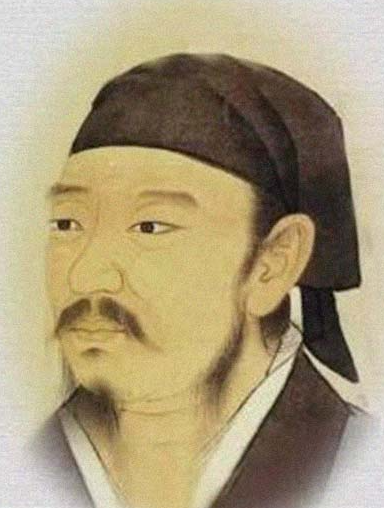
Xun Zi
Introduction
Xun Zi, also known as Xun Kuang, was an influential Chinese Confucian philosopher from the Warring States Period (475-221 BC). He is recognized for his significant contributions to Confucian thought, particularly regarding human nature, ethics, rituals, and society. Xun Zi's philosophical works have been pivotal in shaping Confucianism and its interpretation over the centuries, offering a more pragmatic and realistic approach compared to his predecessors like Confucius and Mencius. He is noted for his belief in the inherently flawed nature of humans and the role of education and ritual in cultivating moral behavior. Xun Zi's philosophical insights continue to be studied and appreciated for their depth and practical applications in understanding human behavior and societal structures.
Biography
Xun Zi was born in the state of Zhao during the Warring States Period, a time of great social and political upheaval in China. His early life and education are not well-documented, but it is believed that he traveled extensively, engaging with various schools of thought and debating with other philosophers of his time. Xun Zi eventually became associated with the Jixia Academy in the state of Qi, where he gained recognition as a respected philosopher and teacher.
Throughout his life, Xun Zi held various governmental positions, which allowed him to apply his philosophical ideas to practical governance. His experience in administration is reflected in his writings, which emphasize the importance of rituals, laws, and education in maintaining social order. Xun Zi's later years were spent in the state of Chu, where he continued to teach and write until his death.
Philosophical Contributions
Xun Zi is best known for his controversial stance on human nature, which he argued is inherently selfish and prone to disorder. Unlike Mencius, who believed that humans are innately good, Xun Zi posited that people are born with desires that lead to conflict and chaos if left unchecked. However, he believed that through education and the cultivation of virtues, individuals can be transformed into moral beings. This perspective highlights the importance of societal structures and ethical teachings in shaping human behavior.
In Xun Zi's philosophy, rituals (li) play a crucial role in regulating human desires and maintaining social harmony. He viewed rituals as a means of channeling emotions and desires into socially acceptable forms, thus preventing disorder and conflict. Xun Zi argued that rituals are essential for cultivating virtues and reinforcing social hierarchies, which he saw as necessary for a stable and harmonious society. His emphasis on the significance of rituals reflects his belief in the transformative power of culture and tradition.
Xun Zi placed a strong emphasis on the role of education in moral development. He believed that education is the key to transforming human nature and that a well-educated individual is capable of achieving moral excellence. Xun Zi advocated for a rigorous and systematic approach to learning, emphasizing the study of classical texts, history, and moral philosophy. His views on education underscore the importance of intellectual and moral cultivation as fundamental aspects of personal and societal improvement.
Major Works
Xun Zi's most significant contribution to Chinese philosophy is his eponymous text, "Xun Zi," a collection of essays that articulate his philosophical views on human nature, ethics, and society. The text is divided into numerous chapters, each addressing different aspects of his philosophy. Key themes include the inherent flaws of human nature, the importance of education and rituals, and the role of government in maintaining social order. The "Xun Zi" remains an essential text in the study of Confucian philosophy and Chinese intellectual history.
Comparison with Other Philosophers
Xun Zi's philosophy stands in contrast to that of other Confucian thinkers like Confucius and Mencius. While Confucius emphasized moral cultivation through virtue and Mencius argued for the innate goodness of humans, Xun Zi took a more pragmatic approach, emphasizing the need for external structures like education and rituals to cultivate morality. His views also diverge from Daoist and Legalist thought, with Daoism advocating for a more naturalistic approach to life and Legalism emphasizing strict laws and governance. Xun Zi's unique perspective offers a balanced view that incorporates elements of both moral cultivation and practical governance.
Modern Interpretations
In modern times, Xun Zi's philosophy has been revisited and reinterpreted in light of contemporary issues in ethics, education, and governance. Scholars have explored the applicability of his ideas in addressing modern challenges, such as the role of culture in shaping behavior and the importance of education in moral development. Xun Zi's emphasis on rituals and societal structures is seen as relevant in discussions on social cohesion and cultural identity. His works continue to inspire new interpretations and applications, highlighting the timeless nature of his philosophical insights.








